Tokyo to Kyoto by Nozomi Shinkansen: The Ultimate Japan Bullet Train Experience (2026 Travel Guide)
June 9, 2026 | by bonginoz.com

The Shinkansen Experience: An Overview
Japan is famous for many things—its rich culture, incredible food, breathtaking scenery, and cutting-edge technology. But perhaps nothing represents modern Japan better than the legendary Shinkansen Bullet Train. During our recent trip to Japan, we had the opportunity to travel from Tokyo to Kyoto aboard the Nozomi Shinkansen, one of the fastest trains in the world, and it turned out to be one of the highlights of our entire journey.
If you’re planning a Japan trip in 2026, travelling on the Shinkansen is an experience that should be at the very top of your bucket list.
Leaving Tokyo for Kyoto
After spending several wonderful days exploring Tokyo, it was finally time to continue our journey to Kyoto, Japan’s ancient capital and cultural heartland.
Our adventure began at Shinagawa Station, one of Tokyo’s major transportation hubs and a convenient departure point for the Tokaido Shinkansen Line.
The station itself was bustling with travellers, yet everything felt incredibly organised and efficient—something we quickly learned is a hallmark of Japan.
Understanding the Different Types of Shinkansen
Before boarding, it’s worth understanding the three main services operating on the Tokaido Shinkansen route:
🚄 Kodama
Stops at every station and takes the longest time.
🚄 Hikari
A faster service that skips some stations.
🚄 Nozomi
The fastest and most popular service, making limited stops between Tokyo and Kyoto.
For our journey, we chose the Nozomi Shinkansen, which would take us from Shinagawa to Kyoto in approximately two hours.
Green Car vs Reserved Seats
One of the questions many travellers ask is whether the Green Car is worth the extra cost.
The Nozomi offers:
🟢 Green Car
Premium seating with more space, wider seats and additional comfort.

🔵 Reserved Seat
Assigned seating and the most popular option.
🟠 Unreserved Seat
Lower cost but seats are available on a first-come, first-served basis.
For this trip, we experienced the comfort of the Green Car and thoroughly enjoyed the extra space and quieter atmosphere.
Why the Shinkansen Is So Special
The Shinkansen is not simply a train—it is a symbol of Japanese engineering excellence.
Introduced in 1964, the Shinkansen revolutionised rail travel and remains one of the most admired transportation systems in the world.
The Nozomi service can reach speeds of nearly:
⚡ 300 km/h
Yet despite travelling at such incredible speeds, the ride remains remarkably smooth and comfortable.
Perhaps even more impressive is the safety record. Since its introduction over six decades ago, the Shinkansen has maintained one of the safest operational records in railway history.
The Journey Begins: Shinagawa to Kyoto
At exactly 10:55 AM, our Nozomi Shinkansen departed Shinagawa Station.
One thing that immediately stood out was the punctuality.
There were no delays, no confusion, and no last-minute rush.
Everything operated with precision.
As the train accelerated out of Tokyo, urban landscapes gradually gave way to suburbs and open countryside.
Passing Through Shin-Yokohama
Our first major stop was Shin-Yokohama Station, the gateway to Yokohama, Japan’s second-largest city.
Interestingly, before the arrival of the Shinkansen in 1964, this area was largely agricultural land. Today, it has transformed into one of Japan’s most important transport hubs.
The station serves millions of passengers every year and provides access to attractions such as the Shin-Yokohama Ramen Museum and Nissan Stadium.
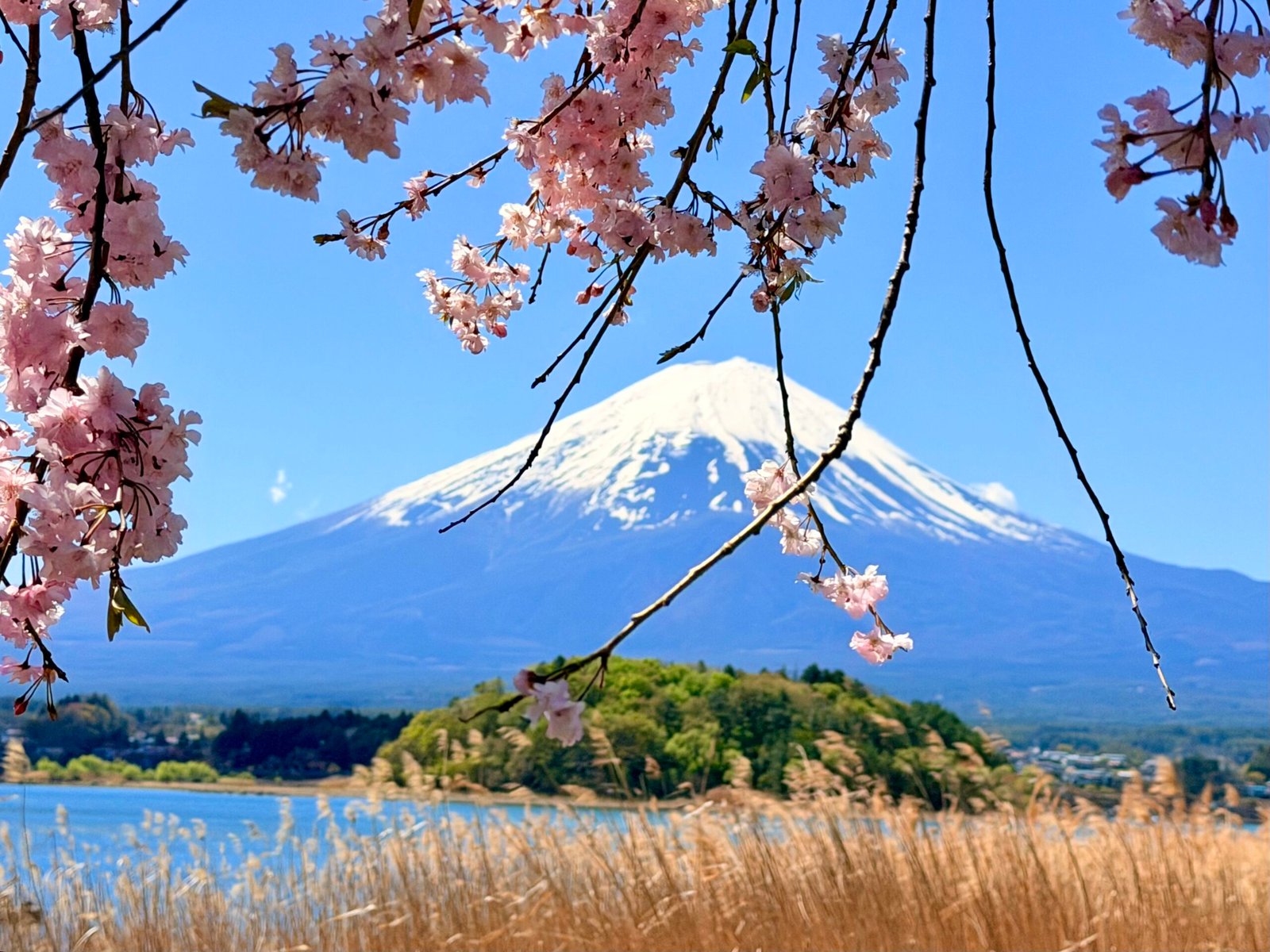
Can You Really See Mount Fuji from the Shinkansen?
One of the most frequently asked questions by travellers is:
Can you see Mount Fuji from the bullet train?
The answer is yes—but only if conditions are right.
When travelling from Tokyo to Kyoto, passengers should try to sit on the right-hand side of the train for the best chance of seeing Mount Fuji.
Visibility depends heavily on weather conditions, and the mountain is only visible for a few minutes during the journey.
Fortunately, the skies were clear during our trip, and we were rewarded with a stunning view of Japan’s most iconic landmark.
Seeing the snow-capped peak of Mount Fuji rise above the landscape was truly unforgettable.
Ekiben: A Unique Japanese Railway Tradition
No Shinkansen journey is complete without experiencing an Ekiben.
Ekiben are specially prepared bento boxes sold at railway stations across Japan and are considered an essential part of train travel culture.
At Shinagawa Station, we purchased a popular:
🍱 Self-Heating Chicken Ekiben Bento Box
One of the most fascinating features of this meal was its self-heating mechanism.

With a simple pull-string activation system, the box heated itself automatically, allowing us to enjoy a warm meal while travelling at nearly 300 km/h.
It was not only delicious but also a uniquely Japanese travel experience.
Onboard Food and Refreshments
Travelling in the Green Car allowed us to enjoy additional onboard comforts.
During the journey, we ordered:
☕ Hot Coffee – ¥430
🍨 Special Pistachio Ice Cream – ¥450
Both were purchased separately through the onboard service and made the journey even more enjoyable.
Passing Through Atami
As we continued our journey westward, we passed through Atami, a famous coastal resort town known for its hot springs and beautiful seaside views.
Located along Sagami Bay, Atami has long been a popular destination for both domestic and international tourists seeking relaxation and traditional Japanese hospitality.
Arrival at Nagoya
Another major stop on our route was Nagoya, one of Japan’s largest cities and a key centre for industry and manufacturing.
Nagoya is best known as the birthplace of Toyota Motor Corporation, making it an important part of Japan’s economic success story.
The city is also home to Nagoya Castle, one of the country’s most significant historical landmarks.
Arriving in Kyoto
After approximately two hours onboard one of the world’s fastest trains, we finally arrived at Kyoto Station.
Stepping off the Shinkansen felt almost surreal.
The journey had been so smooth and comfortable that it hardly felt like we had travelled hundreds of kilometres across Japan.
Yet we had successfully journeyed from the futuristic streets of Tokyo to the cultural heart of Japan in just a fraction of the time it would take by conventional rail.
Is the Nozomi Shinkansen Worth It?
Absolutely.
Whether you’re a railway enthusiast, a first-time visitor to Japan, or simply someone who appreciates world-class engineering, the Nozomi Shinkansen offers an experience unlike any other.
From:
- Incredible speeds approaching 300 km/h
- Spectacular Mount Fuji views
- Comfortable Green Car seating
- Delicious Ekiben meals
- Impeccable punctuality
- Exceptional safety standards
The Shinkansen is far more than transportation—it is an integral part of the Japanese travel experience.
Watch Our Full Video
🎥 In our latest Japan Travel Series episode, we take you onboard the Nozomi Shinkansen from Tokyo to Kyoto and share everything from ticket classes and luggage rules to Mount Fuji views, Green Car comfort, Ekiben culture and much more.
👉 Watch the full video here:
RELATED POSTS
View all